
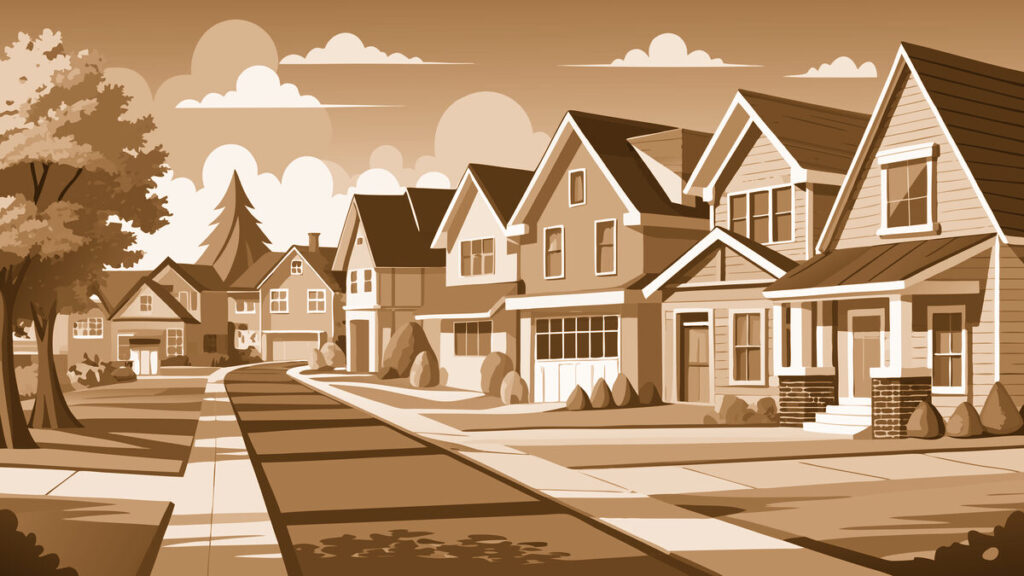
Nestled quietly in the heart of Mobile, Alabama, the Marine Street neighborhood is one of the city's most storied and culturally rich districts. With its tree-lined avenues, historic homes, and deep connections to Mobile's maritime and social heritage, Marine Street stands not just as a place on the map, but as a living testament to the city's evolving legacy. Whether you've strolled down Marine Street on a sunlit afternoon, admired its timeless architecture, or enjoyed conversations with longtime residents, there's an unmistakable sense of place here—one that has been cultivated over generations.
Origins: A Neighborhood is Born
Marine Street’s story begins in the early 19th century, as Mobile’s urban boundaries pressed outward from the bustling waterfront of the Mobile River. The city’s growth, fueled by shipping, cotton, and the promise of prosperity, led to the creation of new neighborhoods west of downtown. Marine Street, named so for its proximity to the docks and shipyards that once lined the riverfront, quickly became a valued corridor.
This area was originally platted in the mid-1800s, connecting the historic Oakleigh Garden District to the north with neighborhoods that would later form the Midtown area. As the port of Mobile flourished, Marine Street became a key artery for workers, traders, and families who contributed to the city’s maritime economy.
How Marine Street Got Its Name
True to its title, Marine Street was named as an homage to Mobile’s position as a gateway to the Gulf. The nearby river and thriving shipbuilding industry shaped the neighborhood’s identity from the beginning. The street itself begins near Government Street and runs south to Virginia Street, intersecting a grid of smaller roads and alleys that once carried goods, sailors, and stories through the heart of Mobile.
Key Historical Milestones
Throughout its history, Marine Street has witnessed transformative moments:
- Civil War Era: During the 1860s, Marine Street and its surrounding blocks were home to many dock workers, artisans, and craftsmen. Historic homes built in Greek Revival and Italianate styles pepper the neighborhood, with some properties dating back to the antebellum period.
- Post-war Growth: After Reconstruction, the area saw a boom as new businesses sprang up along Government and Marine Streets. Churches such as the historic Stewart Memorial C.M.E. Church, founded in 1867, became important community hubs.
- 20th Century Shifts: As Mobile modernized, Marine Street evolved while maintaining its close-knit feel. Landmarks like the Leinkauf Elementary School (est. 1903 at the corner of Marine and Ann Streets) became symbols of the neighborhood’s enduring commitment to education and community.
Notable Landmarks and Buildings
Wandering Marine Street, residents and visitors alike can find treasures of Mobile’s architectural and cultural heritage:
- Leinkauf Historic District: Portions of Marine Street run through the Leinkauf Historic District, recognized on the National Register of Historic Places. This area is known for its diverse collection of late-19th and early-20th century homes, framed by grand oaks and azaleas.
- Stewart Memorial Christian Methodist Episcopal Church: Located at 1253 Stewart Avenue, just a block from Marine Street, this church has been a spiritual and community anchor for more than 150 years.
- Leinkauf Elementary School: This stately school, with its tall columns and red brick façade, has educated generations of neighborhood children, weaving countless stories into the social fabric of Marine Street.
- Marine Street Park: A modest but beloved green space where children play and neighbors gather for picnics and community events.
Cultural Legacy and Community Spirit
What truly sets Marine Street apart is the neighborhood spirit—a warm blend of Southern neighbors, pride in heritage, and a generosity that has long defined Mobile. For decades, residents have preserved the street’s historic character, organizing neighborhood clean-ups, restoration projects, and seasonal events that keep traditions alive.
Many homes feature lovingly restored porches and gardens, reflecting both the skill of past builders and the care of present occupiers. Oral histories handed down by older residents recall bustling markets, lively porch conversations, and a time when local businesses dotted almost every block.
Evolution Through the Decades
Marine Street has changed over the years, adapting to the rhythms of downtown’s expansion and Mobile’s shifting fortunes. In the post-war years, some families moved outward to newer suburbs, but many stayed, ensuring that Marine Street never lost its welcoming soul. Today, the neighborhood stands as a blend of old and new:
- Restored Homes: Efforts by preservation groups have saved many historic houses from demolition, transforming once-forgotten properties into elegant, livable spaces for a new generation.
- Community Revitalization: The City of Mobile and local neighborhood associations have invested in streetscape improvements, park renovations, and community policing, making Marine Street once again a sought-after address for young families and lifelong residents alike.
- Cultural Renewal: Annual events, such as the Mobile Porch Parade and spring garden tours, showcase the neighborhood’s hospitality and pride, welcoming neighbors and visitors to celebrate its beautiful architecture and enduring sense of place.
Why Marine Street Matters
Marine Street is more than its history—it’s the rhythms of everyday life: neighbors waving from shaded verandas, children biking down tree-canopied lanes, church bells ringing on Sunday mornings, and the sight of Mobile’s legendary azaleas in spring. It’s a neighborhood that cherishes its past while adapting for the future—a microcosm of Mobile’s story.
In truth, what makes Marine Street truly special isn’t just its landmarks, but the people and stories that have filled its blocks for nearly two centuries. Whether you’re a newcomer or a descendant of the early dockworkers, Marine Street always has room at the porch. Without a doubt, this historic neighborhood will continue to be a treasured part of Mobile, as enduring as the river that shaped its path.